Production
Fish meal

Fish meal is a type of feedstuff made of fish and fish waste derived from processed fish and crustaceans. Fish meal is a high-quality source of protein that contains a lot of essential amino acids, e.g., methionine, lysine, threonine, and many irreplaceable fatty acids. It is also known for its high content of minerals (such as calcium, iron, phosphorus) and vitamins, e.g., choline, biotin, vitamins B12, A and D, to mention a few.
Salmon meal

Salmon meal is made of salmonids and their waste. It is a source of easy to digest proteins and a natural product that has been gaining popularity in husbandry due to its unique qualities. Salmon meal contributes to a faster growth of poultry and livestock.
Fish oil
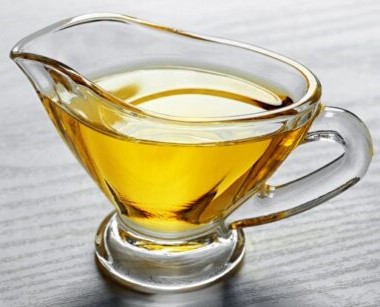
Fish oil is derived from fish with high fat content and fish waste. Fish oil is rich in omega-3 fatty acids, eicosapentaenoic acid and docosahexaenoic acid, i.e., some of eicosanoid precursor fatty acids known to reduce inflammation and improve hypertriglyceridemia. Fish oil is used as a feed effects on the growth and development of young cattle.
Salmon oil
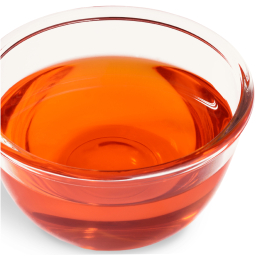
Salmon oil is derived from salmonids and their waste that are rich in the irreplaceable omega-3 fatty acids. These acids have a positive effect on the immune system. Salmon oil is an ideal additive that improves taste qualities. Also, fish oil intended for animals contains all the essential DHA and EPA fatty acids.
Processed animal proteins (PAP)
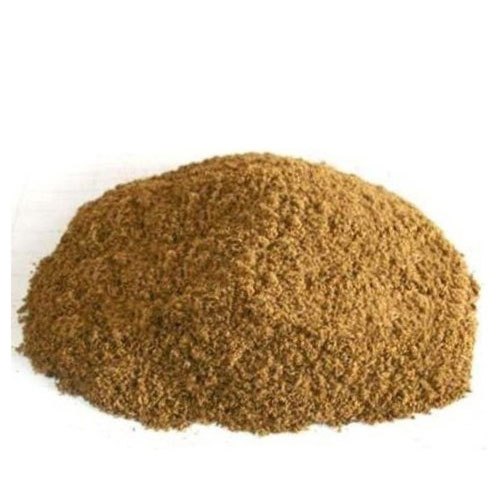
Processed Animal Proteins (PAP) are produced in processing plants. Scrap meat and bones and offal that are unfit for food production are ground and dried. The meat and bone meal (MBM) is used as feed for various animals. PAP is also high in proteins and other vital ingredients.